Column · @juliuscuvm117
Top Bar NYC Picks for Craft Cocktail Lovers
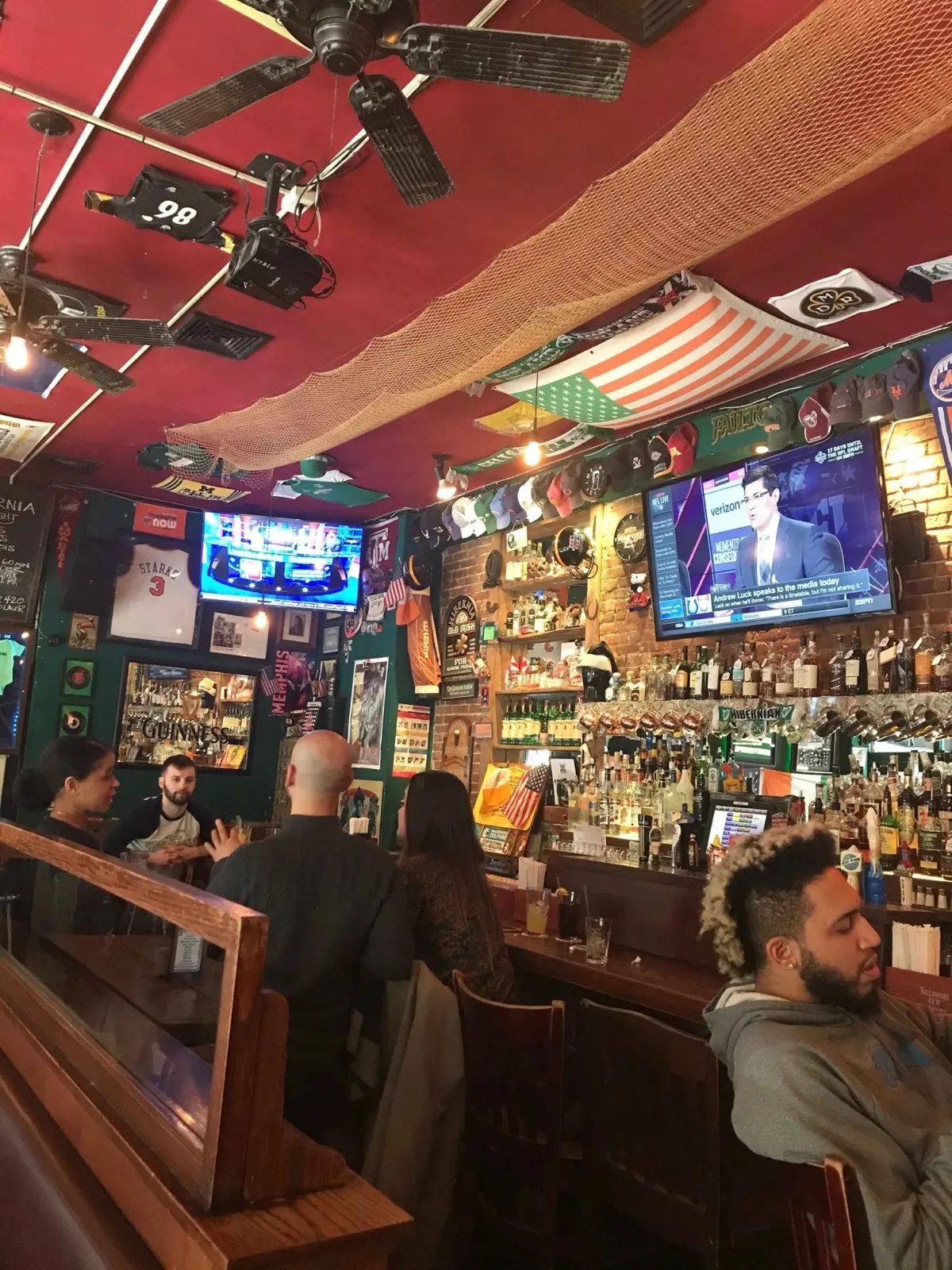
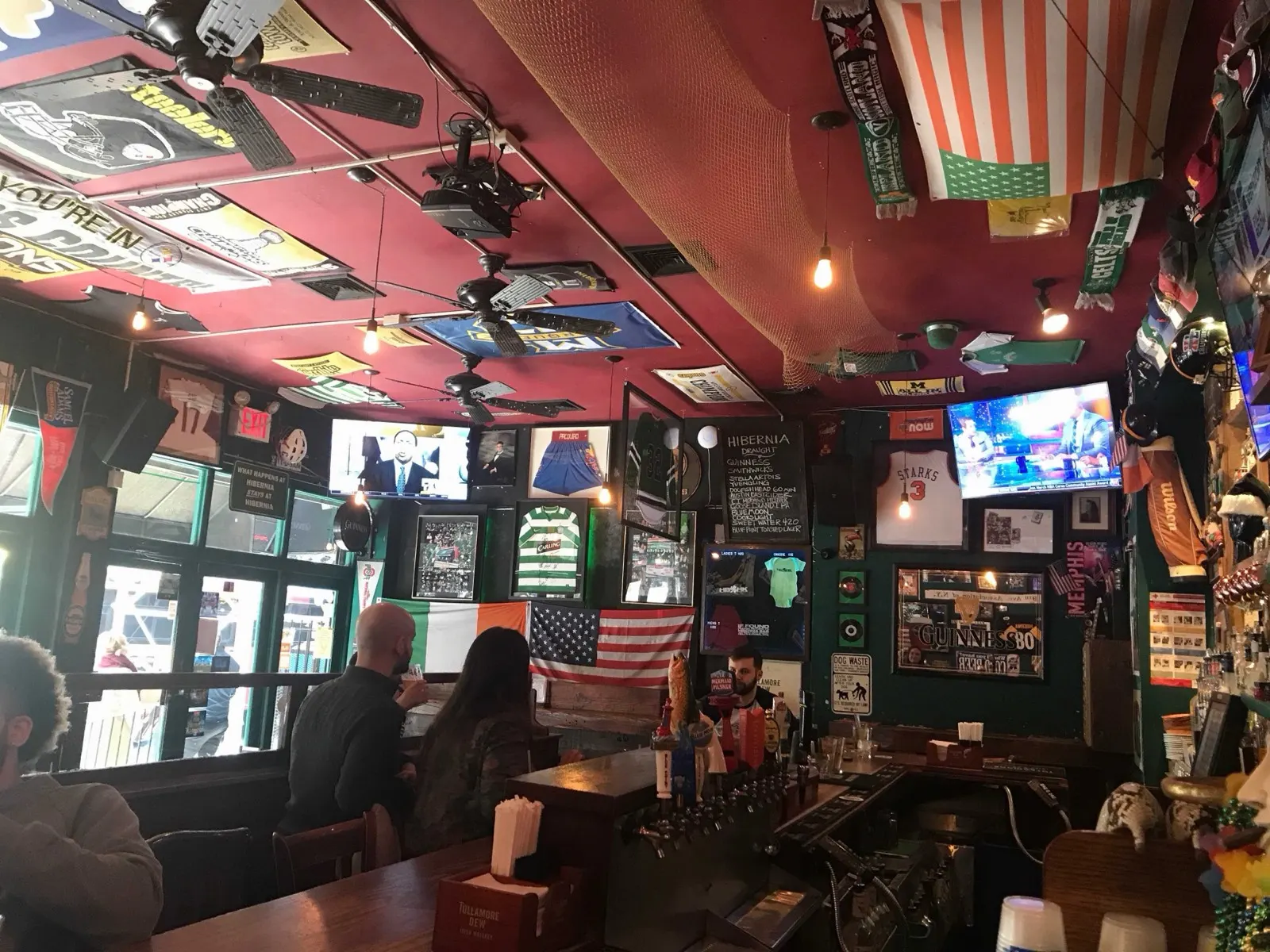
New York has never lacked for places to drink. What sets the city apart now is not sheer volume, but range. Within a few subway stops, you can move from a candlelit room pouring painstakingly stirred Martinis to a loud downtown bar where the frozen drinks are as serious as the whiskey selection. For anyone searching for a standout Bar NYC experience, the challenge is no longer finding a good cocktail. It is choosing the right room, the right style, and the right hour to go.
That distinction matters more than people think. A craft cocktail bar is not just a place with expensive bottles and a menu full of obscure ingredients. The best ones understand pace, temperature, dilution, hospitality, lighting, and sound. They know when to push technique and when to step aside and let a simple drink land cleanly. A great bartender in New York can read the room in under a minute. They can clock whether you want conversation, theater, quiet precision, or a drink that arrives before your day catches up with you.
This guide focuses on bars that reward people who care about cocktails, not just nightlife. Some are polished and famous. Some feel more tucked in, even when they are busy. All of them have earned their reputation for a reason.
What separates a serious cocktail bar from a merely fashionable one
You can usually tell within the first five minutes. The menu helps, but it is rarely the full story. Glassware should fit the drink instead of performing for social media. Ice should look intentional. Citrus should taste bright, not tired. A stirred drink should arrive cold enough to hold its structure, and shaken drinks should feel vivid rather than watery or sugary. These details sound small until you start seeing how often they are missed.
In New York, where rent is punishing and trends move fast, maintaining standards night after night is harder than it looks. The bars worth your time are the ones that keep doing it at 6 p.m. On a Tuesday and at 11:30 p.m. On a packed Saturday. That consistency is part of what makes a top bar in NYC memorable. It is not only about the signature drink. It is about whether the tenth order of the night receives the same care as the first.
Another marker is how a bar handles classics. Any place can put a clarified milk punch or a fat-washed Old Fashioned on a menu. A stronger test is what happens when you order a Martini, a Manhattan, a Daiquiri, or a Negroni. If the bartender asks a smart follow-up question and then nails the balance, that usually tells you the program is real.
Attaboy, still one of the sharpest rooms in the city
Attaboy on the Lower East Side has been written about so much that it would be easy to dismiss it as overexposed. That would be a mistake. It remains one of the clearest examples of why New York matters to cocktail culture. There is no printed menu in the usual sense. Instead, bartenders steer the experience through conversation, asking what spirits you like, what mood you are in, whether you want something bright, bitter, savory, spirit-forward, or unexpected.
That format can go wrong in less capable hands. At Attaboy, it usually feels effortless. The room is small, dark, and often busy, which means your timing matters. Early evening is ideal if you want the best chance at a seat without a long wait. Once settled in, though, you get the kind of personalized service that many bars advertise and few truly deliver.
The drinks lean balanced rather than flashy. You may get a modern riff with acid-adjusted fruit or a classic rebuilt with microscopic attention to texture, but nothing feels gimmicky. More important, the bartenders listen. If you say you want gin but not juniper-heavy, or whiskey without sweetness, or something bitter that still drinks fresh, they tend to respond with precision instead of guesswork. For craft cocktail lovers, that responsiveness is the whole game.
Death & Co, where the menu still sets a standard
Death & Co helped codify what many people now expect from a contemporary cocktail bar. The East Village original is still one of the city’s benchmark rooms, not because it is the newest or hardest to access, but because it takes structure seriously. The menu is usually broad, deeply thought through, and organized in a way that guides guests without flattening the bar’s personality.
This is the kind of place where technique and hospitality are expected to coexist. When it works best, you feel both the rigor of the program and the warmth of the service. The lighting is low, the soundtrack has energy, and the drinks often carry a little more architecture than those at bars focused purely on classics. You may see split bases, fortified wines, amari, saline, tinctures, or textural elements that broaden the drink without making it fussy.
For guests who enjoy studying menus, this is fertile ground. For people less interested in reading a full page of ingredients, it can feel like a lot. The staff usually closes that gap well. Ask for guidance and you can move quickly from uncertainty to the right drink. If you have never had a carefully built tequila or mezcal cocktail that goes beyond smoke and citrus, this is one of the better places to start.
Martiny’s, for exacting drinks in a room with grace
There are bars where you chase energy, and bars where you chase precision. Martiny’s belongs firmly in the second group. Set in a townhouse in Gramercy, it brings a level of detail that feels almost hushed. The service is polished, the space is elegant without stiffness, and the drinks are handled with the sort of care that makes you slow down as soon as they hit the table.
What stands out here is not just craftsmanship, but composure. Many ambitious bars eventually tip into overcomplication, layering flavor until the drink feels more like a lab exercise than a pleasure. Martiny’s generally avoids that trap. Even the more intricate drinks retain a clean line. The glassware, garnishes, and pacing all contribute to a sense that someone thought through the full arc of your visit.
It is also a useful reminder that luxury in a bar does not need to be loud. A quiet seat, a perfectly chilled coupe, and a bartender who can explain a Japanese whisky variation without lecturing you can be more memorable than any pyrotechnic presentation. If your idea of a great Bar NYC night involves conversation and excellent technique rather than crowd-driven momentum, this is a top contender.
Clover Club, a Brooklyn classic that still drinks beautifully
The conversation around New York cocktails can get Manhattan-heavy, but Brooklyn has long carried its share of weight. Clover Club in Carroll Gardens remains one of the borough’s most dependable addresses. The room has polish, but not pretension. It handles brunch traffic, date nights, neighborhood regulars, and dedicated cocktail drinkers without losing itself.
Its namesake drink alone is reason enough to go, especially if you appreciate how texture can change a cocktail’s entire feel. A well-made Clover Club should not just taste balanced. It should have a fine, velvety foam and enough brightness to keep the raspberry and gin from turning flat. Here, that standard tends to hold.
More broadly, Clover Club is especially good for drinkers who like recognizable categories executed at a high level. The menu usually gives you enough invention to stay interested while keeping one foot planted in the classics. It is also one of the easier places to recommend to mixed groups. Not everyone in a party needs to be deep into amaro or agricole rum to enjoy themselves here, which makes it unusually versatile by craft-bar standards.
Overstory, where the view does not excuse the drink, and the drink does not hide behind the view
Bars with serious views often rely on altitude as a substitute for substance. Overstory, perched high above the Financial District, clears that hurdle more convincingly than most. Yes, the skyline is the headline. Step onto the wraparound terrace and it is hard not to pause. But the bar earns repeat visits because the cocktails have actual backbone.
The menu often plays with brightness, spice, tropical accents, and polished modern technique. The presentation is refined, sometimes Bar NYC playful, but generally not excessive. The room draws a broad crowd, which means there is a bit more buzz and movement than at a more intimate den-style bar. That is not necessarily a drawback. Sometimes a great cocktail tastes even better against a little city electricity.
There are trade-offs. Reservations help. Walk-ins can be hit or miss. Prices reflect the location and the experience. If you want a quiet seminar in vermouth ratios, this is probably not your first stop. If you want drinks that hold up in a setting people will actually remember, Overstory is one of the stronger choices in the category.
Dante, for people who understand the value of a disciplined aperitivo bar
Dante has managed something difficult. It is famous, busy, visually appealing, and still capable of delivering real quality. That is not common. The Greenwich Village institution has become synonymous with the Negroni in all its forms, and deservedly so, but reducing it to a single drink misses the larger point.
The bar works because it understands identity. It leans into aperitivo culture with confidence, giving guests bitterness, citrus, low-proof options, and a sense of occasion without overcomplicating the formula. Daylight suits it especially well. There is something uniquely New York about sitting down in late afternoon for a Garibaldi made with properly fluffed orange juice and realizing the drink is both simpler and more exacting than it first appears.
A lot of bars claim to honor classics while quietly sanding off their edges for broader appeal. Dante tends to respect what made those drinks matter in the first place. That means some cocktails taste more bitter, drier, or more spirit-driven than casual drinkers expect. For people who love balance with backbone, that is part of the pleasure.
Double Chicken Please, a different kind of craft success
Double Chicken Please has become one of the city’s most talked-about bars, and unlike many viral success stories, it has actual substance behind the attention. The front room and the back room offer noticeably different experiences, and that split is part of the appeal. The menu has drawn attention for drinks inspired by dishes and pantry flavors, which sounds like a gimmick until you taste how coherent many of them are.
This is not the place to go if you only want textbook classics in a hushed room. It is a better fit for drinkers who enjoy innovation but still care about structure. The strongest drinks here do not rely on novelty alone. They use familiar reference points, sesame, tomato, brown butter, herbs, clarified components, and translate them into cocktails with real balance. That is harder than it sounds.
The crowd can be intense, and the atmosphere leans more social than meditative. But there is value in seeing a bar stretch the category without losing technical discipline. New York has always rewarded ambition. The key is whether the ambition survives contact with the glass. Here, it often does.
Where to go based on what kind of night you want
A city this dense rewards specificity. Instead of asking for the best cocktail bar in a universal sense, ask what version of the night you are after. New York offers several.
- For bespoke bartender-led drinks, Attaboy is hard to beat.
- For menu depth and modern cocktail structure, Death & Co remains essential.
- For elegance and precision, Martiny’s delivers.
- For aperitivo energy and classics, Dante is a reliable bet.
- For innovation with a lively crowd, Double Chicken Please stands out.
That kind of sorting matters because even excellent bars can disappoint when chosen for the wrong occasion. A high-concept room may frustrate someone craving a dead-simple Martini. A classics-heavy bar may feel too restrained for guests chasing surprise. Matching the bar to your mood is half the work.
Practical advice that improves the experience
Reservations are worth making when the bar allows them, especially on Thursdays through Saturdays. New York cocktail bars often operate in small rooms where timing shapes everything. Arriving at 5:30 or 6 p.m. Can mean the difference between easing into the night and standing in a tight doorway for forty minutes. That early window is also when bartenders have the most bandwidth for conversation, adjustments, and off-menu guidance.
It pays to order with a little clarity. You do not need to know exact recipes or name every bottle you like. But being able to say, for example, “I want something stirred, bitter, and not sweet,” or “I usually drink tequila, but I want something fresher than a Margarita,” gives a strong bartender useful direction. Vague requests such as “surprise me” can work in elite hands, though even then a small amount of detail tends to produce a better result.
Another point that seasoned drinkers learn quickly is to watch how a bar handles its second drink. First rounds often shine because they are the easiest to focus on. By the second order, the conversation deepens, preferences become clearer, and the bar’s confidence shows. Some of the best nights in New York happen when a bartender calibrates across two or three rounds, narrowing in with each one until the drinks feel almost inevitable.
Food also matters more than people admit. Several top cocktail bars offer stronger food than the average person expects, and that can change your whole evening. A thoughtful snack menu buys time, steadies the pace, and lets spirit-forward drinks show more nuance. If you plan to explore multiple bars in one night, eating early is not optional unless your goal is to end the evening less elegantly than you started it.
The classics that reveal whether a bar is really good
Every serious cocktail drinker eventually develops a private test. Mine varies by season, but a few standards remain useful. A Martini tells you whether the bar understands temperature, restraint, and dilution. A Daiquiri reveals how they treat sweetness and acid. A Manhattan exposes whether the whiskey and vermouth are in conversation or simply coexisting. A Negroni shows whether bitterness has been balanced rather than blurred.
These drinks are deceptively hard to perfect because there is nowhere to hide. Fancy infusions and rare liqueurs can distract from structural weaknesses. Classics cannot. That is why many professionals order them first in a new room. If a bar nails a Daiquiri, odds are good the rest of the menu is built on sound instincts.
That does not mean every bar should specialize in the same things. One of the pleasures of moving through New York is noticing how different excellent bars express competence in different ways. At one, it may be silence and precision. At another, speed and warmth under pressure. At a third, a menu that pushes flavor into unexpected territory while preserving balance. The city rewards all of those skills when they are real.
What makes New York especially rewarding for cocktail lovers
There are other cities with outstanding bars, and anyone who travels for food and drink knows that talent is widely distributed now. But New York still offers a density of experience that is unusually satisfying. You can compare schools of bartending in a single evening. You can see how hospitality shifts from neighborhood comfort to formal choreography within minutes. You can drink a near-perfect classic, then walk ten blocks and find a modern drink built around ingredients that would have been unthinkable on a serious menu fifteen years ago.
That variety also creates healthy pressure. A bar in NYC cannot rely on reputation forever. Guests are informed, competition is close, and standards are visible. If service slips or drinks lose their edge, people notice. The places that survive and matter are the ones that keep refining their work.
For craft cocktail lovers, that is the real pleasure of the city. It is not just access to famous names. It is access to different philosophies of what a bar can be. Some prioritize conversation. Some stage-manage every detail. Some celebrate bitterness, some lushness, some invention, some simplicity. The common denominator is intent.
The best bar nights in New York rarely come from chasing hype alone. They come from choosing a room that suits your pace, ordering with enough honesty to guide the bartender, and paying attention to the details that separate a good drink from a lasting one. When you do that, the city gives back generously. One carefully stirred glass at a time, it reminds you why people keep searching for that next great Bar NYC address, even when they already have a favorite.
Hibernia Bar
401 W 50th St
New York, NY 10019
(212) 969-9703
FAQ About Bar NYC
What is there to do in Hell's Kitchen, NYC?
Explore the restaurants and bars along Ninth Avenue, catch a Broadway show nearby, or visit the Intrepid Museum on the Hudson River. Hibernia Bar is at West 50th Street and Ninth Avenue, a convenient stop before or after a show.
What are some bars in New York City that serve good food?
Hibernia Bar in Hell's Kitchen serves wings, burgers, fish and chips, and shepherd's pie. Its kitchen lists a 2 a.m. closing time, which makes it an option for dinner after a show or a game.
How far is Hell's Kitchen from Times Square?
Hell's Kitchen is just west of Times Square. From Broadway and West 45th Street, Hibernia Bar is roughly 0.6 miles away, or about a 12-minute walk depending on crowds.