Column · @juliuscuvm117
How to Discover New Favorites in the Bar NYC Scene
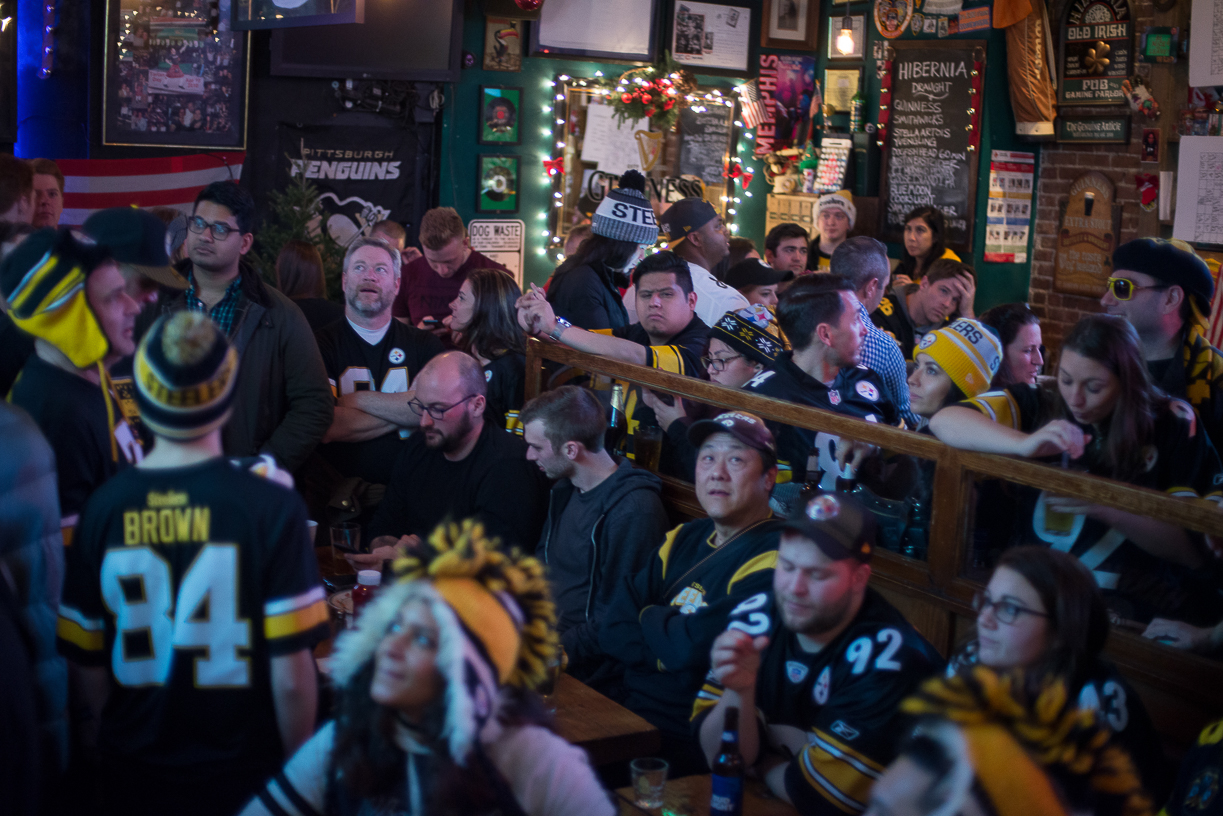
New York rewards curiosity, but it also punishes lazy habits. If you keep meeting friends at the same three places, the city starts to feel smaller than it is. That is not a problem with New York. It is usually a problem with approach.
The Bar NYC scene is deep enough to keep a serious drinker occupied for years. It changes block by block, and sometimes month by month. A place that was impossible to get into last winter can feel strangely flat by spring. A narrow cocktail den in the East Village might suddenly become your Monday spot because the music is right, the bartenders remember your order, and the crowd has not tipped into self-consciousness. A neighborhood tavern in Brooklyn can surprise you with a better whiskey selection than a much louder, much pricier place in Manhattan.
Finding new favorites is less about chasing what is hottest and more about learning how to read a room, a menu, and a neighborhood. Once you know what signals matter, the city opens up fast.
Start with what you actually want from a night out
People often talk about bars as if they are interchangeable, but they are not. "Good" means different things depending on the hour, your company, your budget, and your patience level. The biggest mistake I see is people hunting for "the best" bar when what they need is the right bar for a specific kind of evening.
If you want a date-night spot, lighting, pacing, and noise level matter more than an encyclopedic backbar. If you are meeting old friends after work, a place with room to stand, quick service, and forgiving prices will beat a precious cocktail bar every time. If you are drinking alone, comfort and bartender temperament become everything. The room has to let you settle in without making you feel either invisible or trapped in small talk.
That sounds obvious, yet many people choose venues based on a social media clip or a single list of "must-visit" spots. Those lists usually flatten the city into a handful of photogenic rooms. The real New York bar experience lives in distinctions. Is the playlist trying too hard? Does the first round arrive with care or with indifference? Do people lean into conversation, or are they filming their drinks under flash? Those details determine whether a place becomes a repeat visit or a one-time curiosity.
Before you even pick a neighborhood, define the kind of night you want. A crisp martini and a quiet booth demand one kind of bar. Natural wine, a packed sidewalk, and a snack-heavy menu demand another. Once you get specific, filtering the Bar NYC landscape becomes far easier.
Let neighborhoods guide the search, not just reputation
A common habit among visitors and newer residents is to move from headline area to headline area. They bounce from the West Village to the Lower East Side to Williamsburg, assuming that the most talked-about neighborhoods contain all the interesting drinking. They do contain plenty, but they do not contain all of it.
New York's best bar discoveries often come from staying local for a few hours and noticing how one block shifts into the next. In Greenpoint, for example, you can find polished cocktail programs, old-school dives, beer-forward taprooms, and intimate wine bars within a short walk. In Chinatown and the Lower East Side, the range becomes even wider, from loud basement rooms to refined, reservation-driven bars where technique is the main attraction. Harlem offers a very different rhythm, one shaped as much by hospitality and live music energy as by a menu. Cobble Hill and Carroll Gardens reward slower wandering. Midtown, often dismissed, still has hidden strengths, especially if you know how to separate expense-account rooms from genuinely skilled hotel bars.
Walking matters because a neighborhood teaches you context. A bar that feels magical at midnight might feel sterile at six. A place next to three restaurants may hum before dinner and empty out later. When you move through an area on foot, you start noticing what kind of crowd it attracts and when that crowd peaks.
I have found some of my most reliable spots by setting a simple rule for an evening: pick one avenue or a six-block radius and stay there. Have one drink in a place that seems obvious, then one in a place that seems slightly off your usual radar. Over time, this builds a mental map that no app can replicate.
Learn to read a bar within five minutes
You do not need to finish a full night in every place you try. In fact, disciplined bar-hopping is one of the smartest ways to discover favorites. The trick is to evaluate quickly without becoming cynical.
Within a few minutes, most bars reveal a lot. The greeting tells you whether the staff has composure. The menu tells you whether the program has a point of view. The room tells you whether management cares about flow or merely capacity. Even the water service can be informative. A place that notices empty glasses often notices everything else too.
There are a handful of signs I trust when I am testing a new spot:
- The bartender acknowledges you quickly, even if they are busy.
- The menu feels edited rather than bloated.
- The music suits the room instead of overpowering it.
- The crowd includes repeat customers, not only first-timers taking photos.
- The first drink arrives balanced, properly chilled, and exactly as described.
None of these signs guarantee a great night, but together they are reliable. A room can be stylish and still fail on the basics. I have sat in beautiful bars where the ice was poor, the citrus tired, and the bartenders too distracted to manage pacing. I have also had excellent drinks in unglamorous rooms where the shelves were dusty and the stools slightly uneven. Charm helps, but competence keeps people coming back.
Use one great order to test the house
There is an art to what you order first. If you are trying to understand a bar, your opening drink should tell you something meaningful. That does not always mean asking for the most complicated cocktail. In many places, the simplest order reveals the most.
A martini is an obvious benchmark if the bar presents itself as cocktail-driven. It exposes temperature control, dilution, vermouth balance, and glassware habits immediately. An old fashioned tells you whether the bar values restraint or sugar. A gin and tonic, simple as it is, can show whether anyone cares about tonic quality, garnish, and proportions. For wine bars, a by-the-glass pour can reveal freshness and generosity. For beer-focused spots, look at line maintenance and turnover. A "great list" means little if the pint tastes fatigued.
House cocktails are useful too, but choose them carefully. A menu drink with six ingredients can hide flaws behind novelty. A shorter build, especially one with familiar structure, gives you a cleaner read on technique. If the bartender asks a clarifying question about spirit preference or sweetness level, that is usually a strong sign. It means they are thinking about your experience, not just moving inventory.
Food helps with evaluation as well, particularly in New York, where many bars survive on a mixed identity of drinks and small plates. A strong snack menu extends a night and changes who comes through the door. If a bar can pour a sharp negroni and send out hot, well-seasoned fries or an actually good burger, it becomes far more versatile than a drinks-only room.
Go on the right night, or risk misjudging the place
Timing can distort your opinion more than almost anything else. A bar that feels lifeless on Tuesday may be beautifully calm, not dull. The same room on Friday may feel cramped and chaotic, not vibrant. This is why so many people write off good bars too quickly.
Early evening is ideal if you want to observe service and taste carefully. Bartenders are often less slammed, and the room is still establishing itself. Late nights are useful for judging energy, crowd behavior, and whether a place gets more interesting or less as the evening wears on. Weekend afternoons can be unexpectedly revealing in neighborhoods with strong local traffic. You learn quickly whether a bar depends on hype or whether it has a base of regulars who show up outside prime social hours.
Season matters too. Sidewalk seating can transform a place in spring and early fall. In winter, cramped interiors either become cozy or oppressive. Holiday periods create a different city altogether, especially in areas dense with office workers or tourism. If you are serious about finding a personal favorite, revisit promising bars at different times. One visit is rarely enough.
I learned this years ago with a narrow cocktail bar downtown that I initially disliked. I went on a packed Saturday around 10 p.m., could barely hear my companion, and waited far too long for the second round. Months later I stopped in alone on a rainy Wednesday just after opening. The service was measured, the drinks were excellent, and the room had a calm confidence that had been invisible on the weekend. Same bar, completely different read.
Talk to bartenders, but ask better questions
Most people only ask two questions at a bar: "What's good?" Or "What do you recommend?" Those are polite but vague. If the bartender is busy, you will often get a safe answer. If you want an answer with real personality, be more specific.
Tell them what you tend to like, but also what you want tonight. Maybe you usually drink mezcal, but not smoky. Maybe you want something refreshing without citrus. Maybe you like a Manhattan, but you are in the mood for something lighter and drier. Specific prompts invite thoughtful recommendations.
The best bartenders in the Bar NYC scene are not just drink makers. They are interpreters. They read your pace, your company, your budget, and your level of curiosity. If you give them enough information, they can often guide you to both the right drink and, indirectly, the right bar identity. Watch how they speak about the menu. Pride without rehearsed theater is a good sign.
There is etiquette here. Do not hold up a deep line with a five-minute tasting interview. If the room is slammed, order simply and return with questions later. If the bartender has a moment, engage. Some of the most useful recommendations I have ever received came from asking, near the end of a drink, "Where do you go on your night off nearby?" Industry people often point you toward places with real staying power.
Pay attention to the crowd, not just the decor
New York bars are masters of visual seduction. Good lighting, vintage mirrors, moody tile, sculptural glassware, all of it can persuade you that you have found somewhere special. Sometimes you have. Sometimes you have found a set.
A bar's crowd reveals more than the room itself. Are people lingering into a second or third round, or are they having one drink and leaving? Are there solo guests at ease at the bar? Do small groups seem able to converse without shouting? Are there obvious regulars getting welcomed back? These are the details that separate a place built for repeat business from one built primarily for attention.
This matters because your new favorite needs durability. The first impression can be visual, but the lasting value usually comes from rhythm. You want a place that settles people. In New York, where Bar NYC rent pressure and trend cycles are intense, any bar that creates genuine return behavior is doing something right.
A mixed crowd is often a healthy sign. Not every great bar needs every demographic represented, but homogeneity can suggest fragility. A room that only works for one age band, one social scene, or one style of night may feel stale quickly. Some of the strongest bars in the city attract industry people, neighborhood couples, solo regulars, and first-time visitors without making any group feel misplaced.
Build your own filter instead of following the loudest rankings
There is nothing wrong with "best bars" lists. They are useful starting points, especially if you are new to the city or entertaining guests. The problem comes when rankings become your entire strategy. Lists tend to reward fame, novelty, and category strength. They cannot fully account for your tolerance for noise, your spending habits, or the kind of hospitality that makes you feel at home.
A more durable method is to keep a private running filter. After each new place, note a few specifics. Was the ice quality good? Were the pours fair? Did you want a second drink? Could you imagine bringing different kinds of people there? Would you go out of your way to return, or only stop in if already nearby? Over a dozen outings, patterns emerge. You might discover that you consistently prefer bars with shorter menus, or places where food is treated seriously, or rooms that lean classic rather than experimental.
This kind of self-knowledge matters because New York offers too much to experience blindly. Without a filter, you end up at places that are acclaimed but wrong for you. With one, you start recognizing your own favorites more quickly.
Balance destination bars with neighborhood lifers
Some bars deserve the trip. They have a singular program, exceptional technique, or a sense of occasion that justifies planning ahead. You should absolutely visit those places. They sharpen your palate and remind you what high-level hospitality looks like when everything clicks.
But destination bars rarely become your whole bar life. Favorites are often built from a different standard. They need reliability. They need enough range to fit more than one kind of evening. They need to feel good on an ordinary night, not just a celebratory one.
That is why I always suggest keeping two categories in mind. One is the place you recommend to out-of-towners because it captures something special. The other is the place you quietly return to because it never lets you down. Sometimes one bar can be both, but not often.
A hotel bar in Midtown might be excellent for a polished first meeting or a late solo drink after a show. A corner spot in Fort Greene may become the place where you end up after dinner whenever nobody wants the night to be over. A tiny natural wine bar on the Lower East Side may not impress everyone, but if the staff is sharp and the room hits the right note for you, it can become indispensable.
Spend smart, because price shapes perception
The Bar NYC market spans a wide range, but serious cocktail prices in Manhattan and trend-heavy Brooklyn neighborhoods often cluster in territory that makes experimentation feel expensive. That can push people toward either overcommitting to famous spots or retreating to familiar cheap ones. Neither is ideal.
A better tactic is to set a realistic exploration budget. Maybe on discovery nights you cap yourself at two drinks in two places, rather than a long tab in one. Maybe you order one benchmark drink and one item from the house menu. Maybe you focus on happy hours or early evening windows when some bars offer stronger value. The point is not to be cheap. It is to protect your curiosity from sticker shock.
Value is also more nuanced than raw price. A $20 cocktail that is flawless, generous in spirit, and served in a room with excellent hospitality can feel fair. A $17 drink that is watery, rushed, and forgettable feels expensive. New Yorkers know this instinctively. Price irritates people less than disappointment.
A short field method for finding new standouts
If you want a practical routine, use one. A repeatable method keeps the search from turning random.
- Pick one neighborhood and one time window, such as 6 to 10 p.m.
- Choose one known strong bar and one lesser-known backup within walking distance.
- Start with a simple test order, then decide within fifteen minutes whether to stay.
- Note service, crowd, sound, and whether you want a second round.
- Revisit the most promising spot on a different day before calling it a favorite.
That is enough structure to produce real results without making the night feel like homework. New York rewards people who can improvise, but it rewards informed improvisation even more.
Let taste evolve, and revisit places you misread
One final truth about discovering favorites: your own preferences will change. The bars you loved at 26 may not satisfy you at 36. Your patience for noise may shrink. Your interest in obscure amari may grow. You may suddenly care more about bar stools, lighting, and a kitchen that stays open late than about any drink trend.
That evolution is not a loss. It is how a city like New York stays interesting. A mature approach to the Bar NYC scene leaves room for reassessment. Return to places you dismissed too early. Try neighborhoods you have neglected. Follow a bartender you trust when they move to a new room. Give yourself permission to love both a technically elite cocktail bar and a very good neighborhood tavern.
Favorites are not discovered only through hype, nor through relentless novelty. They emerge from attention. You notice where you relax. You notice where one drink turns naturally into two. You notice where the staff seems glad you came in, even on an unremarkable night. In a city full of options, that feeling is rare enough to matter.
And once you learn how to spot it, New York starts giving you more of it.
Hibernia Bar
401 W 50th St
New York, NY 10019
(212) 969-9703
FAQ About Bar NYC
What is there to do in Hell's Kitchen, NYC?
Explore the restaurants and bars along Ninth Avenue, catch a Broadway show nearby, or visit the Intrepid Museum on the Hudson River. Hibernia Bar is at West 50th Street and Ninth Avenue, a convenient stop before or after a show.
What are some bars in New York City that serve good food?
Hibernia Bar in Hell's Kitchen serves wings, burgers, fish and chips, and shepherd's pie. Its kitchen lists a 2 a.m. closing time, which makes it an option for dinner after a show or a game.
How far is Hell's Kitchen from Times Square?
Hell's Kitchen is just west of Times Square. From Broadway and West 45th Street, Hibernia Bar is roughly 0.6 miles away, or about a 12-minute walk depending on crowds.